

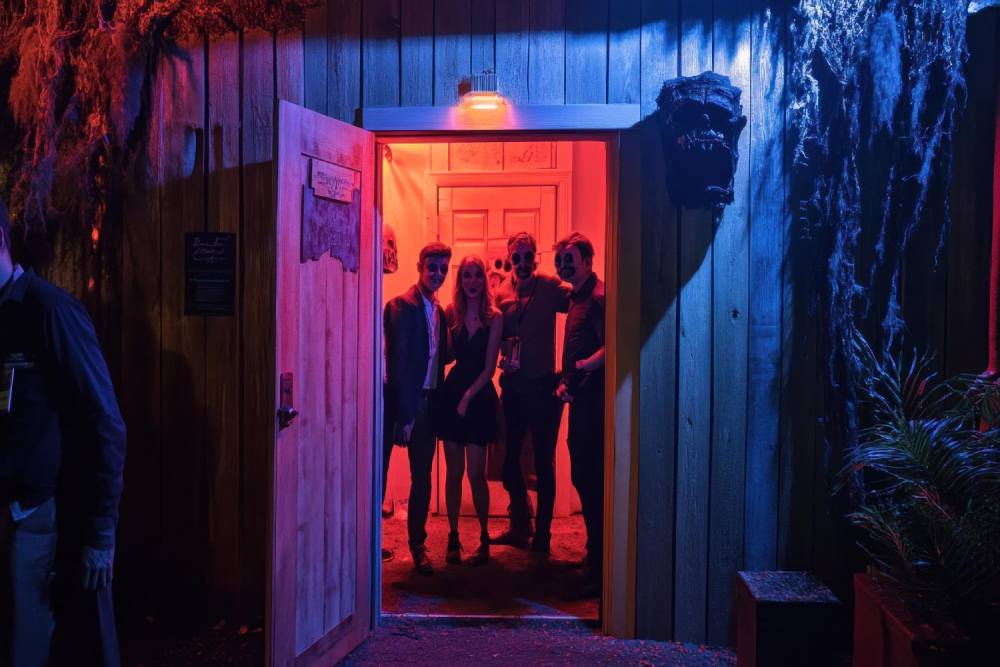
A well-designed escape room does far more than place puzzles inside a locked space. It creates a living environment where logic, storytelling, and teamwork interact under steady time pressure. Players remember the rooms that feel intentional from start to finish, where clues connect naturally and the experience feels complete rather than fragmented.
Understanding what makes a good escape room helps groups choose better experiences and helps players recognize why certain rooms feel more satisfying, immersive, and rewarding than others.
Purposeful Design Shapes the Entire Experience
Strong escape rooms begin with design that supports the story rather than distracts from it. Every room has a theme, but good design goes deeper than surface-level decoration. Furniture, artwork, lighting, and sound exist to reinforce the narrative and guide player attention without obvious direction. When a room feels thoughtfully arranged, players instinctively treat every object as meaningful.
Purposeful design also supports puzzle flow. Clues do not feel randomly placed, and players rarely wonder why an object exists. Instead, discovery feels earned, and progression feels logical. Rooms that achieve this balance encourage curiosity without overwhelming players with visual noise.
Location and Capacity Influence Group Experiences
The environment surrounding an escape room shapes how groups interact. Rooms designed for larger groups require different pacing and spatial planning than intimate experiences. Choosing the right location matters, especially for events or corporate outings.
Options such as Jupiter escape rooms often suit smaller groups that value close collaboration, while Orlando escape games accommodate larger teams seeking shared experiences at scale. Good escape rooms adapt design principles to group size without sacrificing immersion or flow.
Immersion Creates Emotional Engagement
Immersion separates average escape rooms from memorable ones. When players step inside a room and immediately feel transported into a storyline, engagement rises naturally. This sense of immersion grows through layered elements such as sound cues, interactive environments, and clue delivery that fits the narrative context.
A good escape room avoids breaking immersion during gameplay. Hints arrive in ways that feel organic rather than disruptive. Story progression unfolds as puzzles resolve, reinforcing the idea that players actively influence the outcome rather than passively solving isolated challenges.
Puzzle Variety Keeps Teams Engaged
Good escape rooms rely on a mix of puzzle styles rather than repetition. Physical searches, logic challenges, pattern recognition, and collaborative tasks appear in balance. This variety keeps every participant involved and prevents any single skill set from dominating the experience.
Rooms that rely too heavily on one puzzle type risk disengaging parts of the group. In contrast, varied challenges allow different strengths to shine. Observant players uncover hidden elements, analytical thinkers connect patterns, and communicators keep information flowing. This balance supports group cohesion and steady momentum.
Interconnected Clues Create Narrative Flow
A strong escape room tells a story through its puzzles. Each solved challenge builds on earlier discoveries, reinforcing a sense of progression. Players should feel that solutions connect rather than exist as isolated tasks.
Interconnected clues reward attention and memory. When earlier observations become useful later, players experience a satisfying sense of continuity. This design approach mirrors good storytelling, where each chapter advances the plot instead of resetting it. Escape rooms that achieve this structure often feel more polished and complete.
Teamwork Drives Success and Enjoyment
Escape rooms exist to bring people together. Good rooms encourage collaboration by designing challenges that require multiple perspectives or coordinated effort. Tasks that invite discussion, shared problem-solving, and physical cooperation reinforce teamwork naturally.
Rooms that allow individuals to solve everything alone miss the point of the experience. The most rewarding moments often happen when ideas collide, solutions emerge through conversation, and groups celebrate collective progress. This collaborative dynamic appeals to families, friends, couples, and corporate teams alike.
Observation and Attention Matter
A good escape room rewards players who pay attention to their surroundings. Subtle details often carry meaning, and rooms designed with intention encourage careful observation without resorting to trickery. Players should feel challenged, not misled.
Visual cues, spatial relationships, and environmental patterns guide players toward solutions when noticed at the right moment. Rooms that respect player intelligence create satisfaction rather than frustration. Observation becomes a skill sharpened through experience rather than guesswork.
Patience Supports Problem Solving
Escape rooms test patience as much as logic. Good rooms present challenges that require sustained thought without becoming tedious. When puzzles resist quick solutions, patient teams often find clarity by stepping back and reassessing.
Rooms that allow multiple paths of exploration support this mindset. When one challenge stalls, players can redirect attention elsewhere, reducing pressure and restoring confidence. This flexibility keeps the experience enjoyable even during difficult moments.
Experimentation Encourages Creativity
Trial and error plays a natural role in escape room success. Good rooms invite experimentation by allowing players to test ideas safely. When attempts fail, players gain information rather than punishment.
This design approach fosters creativity. Teams feel comfortable sharing ideas, even unconventional ones, because progress comes through exploration. Escape rooms that embrace experimentation often produce memorable moments of discovery that feel earned rather than accidental.
Passion Enhances Immersion
Players who lean into the story often enjoy escape rooms more fully. Good escape rooms support this passion by presenting narratives that feel coherent and engaging. When players care about the outcome, focus sharpens and teamwork improves.
Passion does not require competitiveness. Many of the best teams balance urgency with enjoyment. They take the experience seriously while appreciating the journey.
Practice Builds Confidence Over Time
Experience improves escape room performance. Players who encounter different room styles gradually recognize common mechanics and patterns. Practice also builds confidence within groups.
Teams that play together often develop communication rhythms and trust that carry into future rooms. Escape rooms that respect repeat players through thoughtful design remain engaging across multiple visits.
Experience What Makes Escape Rooms Work
At Will To Escape, we design rooms around immersive storytelling, purposeful puzzles, and shared problem-solving that reflect everything discussed above. Our experiences in Orlando and Jupiter focus on collaboration, flow, and engagement for groups of all sizes.
Ready to see these principles in action? Contact us and plan your next escape room experience with Will To Escape.