

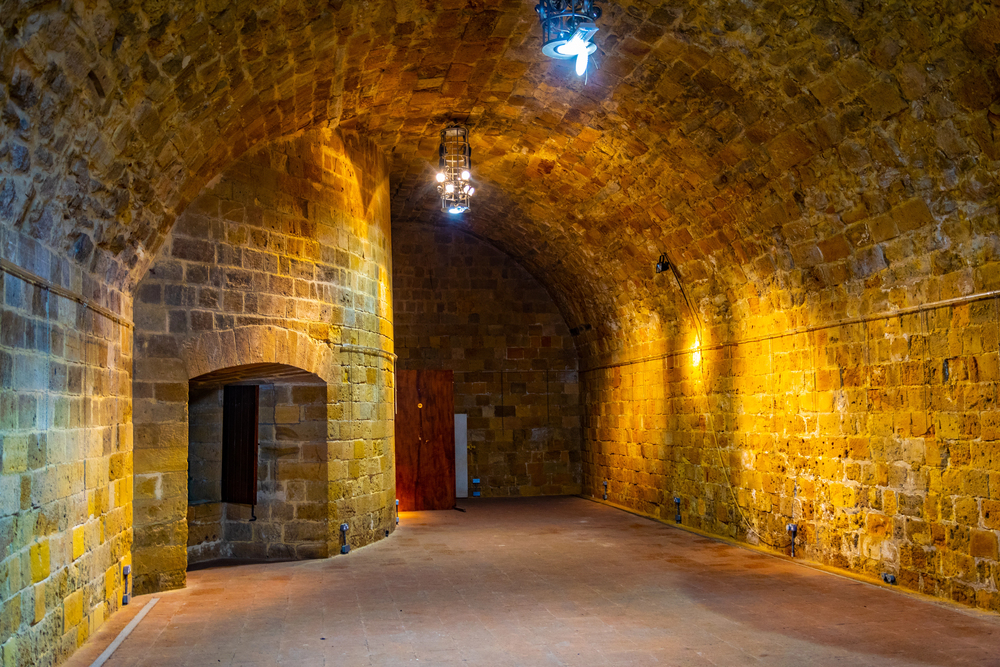
Escape room themes shape how players think, communicate, and react inside immersive environments built around pressure, discovery, and shared decision-making. Every detail, from storyline to set design, influences emotional response and group behavior during gameplay. Well-developed escape room themes turn puzzles into meaningful challenges connected through narrative logic and visual continuity.
Understanding how themes function helps players choose experiences aligned with interests, skill levels, and group dynamics, especially when selecting destinations like immersive adventures found within modern entertainment venues.
Why Escape Room Themes Matter More Than Difficulty
Escape room themes influence engagement more deeply than puzzle complexity because they frame how participants interpret clues and interact with space. A strong theme establishes context, helping players understand motivations, stakes, and logical connections between tasks throughout the experience.
When themes feel coherent, groups communicate more clearly because everyone shares the same imagined world and objectives. This shared understanding reduces confusion, increases focus, and strengthens collaboration under time pressure without overwhelming participants mentally.
Themes also guide emotional pacing by controlling tension, excitement, and surprise through lighting, sound design, and narrative progression. A mystery-driven room encourages careful observation and discussion, while action-oriented themes push faster decision-making and physical interaction.
Players often remember how a room felt emotionally more than how difficult puzzles seemed afterward. That emotional memory stems directly from how effectively the theme supports immersion rather than puzzle mechanics alone.
Storytelling as the Backbone of Escape Room Themes
Strong escape room themes rely on storytelling that unfolds naturally as puzzles progress rather than appearing as disconnected background information. Narrative context explains why players must solve challenges, making each discovery feel purposeful rather than arbitrary.
Environmental storytelling, such as props, audio cues, and visual details, communicates plot elements without lengthy explanations. This approach keeps momentum steady while allowing players to absorb story details organically through exploration.
A well-paced narrative rewards progress by revealing new information or shifting stakes as teams advance through the room. These narrative shifts maintain engagement and prevent fatigue during longer sessions.
Players become active participants in the story instead of passive puzzle solvers. That sense of agency heightens emotional investment and reinforces teamwork, since success feels tied to collective decisions within the unfolding narrative.
Mystery and Investigation Themes
Mystery-focused escape room themes center on observation, deduction, and logical reasoning rather than speed or physical interaction. Players analyze clues, cross-reference information, and uncover hidden relationships between objects or documents.
These themes appeal strongly to groups who enjoy discussion and careful analysis under time pressure. The environment often resembles offices, libraries, or crime scenes that reward attention to subtle details.
Mystery themes encourage balanced participation because different perspectives contribute valuable insights. One player might notice patterns, while another recalls narrative details that unlock progress.
This balance helps groups avoid dominance by faster players, promoting inclusive collaboration. Such themes work well for mixed-age groups seeking intellectual challenge without intense physical demands.
Adventure and Exploration Themes
Adventure-based escape room themes focus on discovery, movement, and progression through unknown environments filled with hidden paths or artifacts. These experiences often simulate expeditions, lost locations, or secret facilities requiring exploration and curiosity.
Players interact physically with the space, opening compartments, aligning mechanisms, and uncovering concealed clues. This tactile engagement keeps energy levels high throughout the session.
Exploration themes reward curiosity and risk-taking, encouraging players to search beyond obvious areas. Teams often split tasks naturally, covering more ground while communicating discoveries efficiently.
These themes suit groups that enjoy active participation and shared excitement. The sense of journey creates memorable moments tied to discovery rather than solely puzzle completion.
Historical and Time-Based Themes
Historical escape room themes immerse players in specific eras, blending factual references with fictional narratives. Period-accurate props, language, and settings reinforce authenticity while grounding puzzles in contextual logic.
Players might decode messages using outdated tools or follow customs relevant to the era portrayed. This contextual learning adds depth without feeling instructional or forced.
Time-based themes often introduce urgency by connecting actions to past events with future consequences. Players feel responsible for altering outcomes or preserving history through their choices.
These narratives resonate emotionally because they link problem solving to meaningful stakes beyond the room itself. Groups leave with a stronger sense of accomplishment rooted in story resolution.
Horror and Suspense Themes
Horror-themed escape room experiences rely on atmosphere rather than fear alone to drive engagement. Sound design, lighting changes, and narrative uncertainty create suspense that heightens focus and adrenaline. Puzzles remain accessible, but emotional pressure alters how players perceive time and urgency. This controlled tension encourages quick communication and decisive action.
Suspense themes often reveal story fragments gradually, maintaining mystery until the final moments. Players feel immersed in a living environment that reacts to progress. These themes work best for groups comfortable with intensity and heightened emotional states. The shared thrill strengthens group bonds through collective problem solving under stress.
Educational Value Within Escape Room Themes
Many escape room themes incorporate learning through experience without formal instruction or overt teaching. Players absorb concepts through problem solving, pattern recognition, and contextual clues embedded within the narrative.
Historical, scientific, or cultural references enrich gameplay while remaining secondary to entertainment. This approach keeps engagement high while subtly expanding knowledge.
Families and school groups often favor themes that blend fun with cognitive development. These experiences encourage curiosity, teamwork, and communication without feeling academic. Learning occurs naturally as players connect ideas to progress through challenges.
Immersion Across Locations and Environments
Location-specific design enhances escape room themes by adapting storytelling to physical space and audience expectations. Experiences found within Jupiter escape rooms often emphasize intimacy and detailed environments that support close collaboration. Meanwhile, larger-scale experiences within Orlando escape games can support broader narratives and group interaction dynamics.
Adapting themes to location allows designers to maximize immersion without sacrificing coherence. Spatial layout, group capacity, and audience preferences shape how themes unfold. This thoughtful alignment strengthens narrative impact and overall satisfaction for diverse participants.
Start Your Immersive Story With Will To Escape
At Will To Escape, we design escape room themes that balance story depth, immersive environments, and collaborative challenges across every experience. Our rooms invite groups to connect through shared discovery, communication, and creative problem solving. Explore adventures crafted for families, friends, and teams seeking meaningful entertainment.
Begin your next immersive story with us and experience how thoughtful escape room themes transform moments into lasting memories.