

Escape rooms operate at the intersection of storytelling, logic, and group dynamics. Each experience places players inside a constructed environment where time, information, and cooperation shape every decision. Unlike traditional games, escape rooms rely on physical movement, observation, and shared problem-solving rather than screens or controllers. The design encourages communication, attention to detail, and adaptability as teams move through a narrative-driven challenge.
How do escape rooms work? To understand this, it helps to examine how themes, room layouts, puzzles, and human interaction come together to form a single, continuous experience.
The Foundation of an Escape Room Experience
An escape room begins long before the door closes behind the group. Designers start with a story framework that gives purpose to every object and puzzle. This narrative may involve a disappearance, a criminal plot, or a mysterious location, but its role remains the same: to create context for each challenge inside the space.
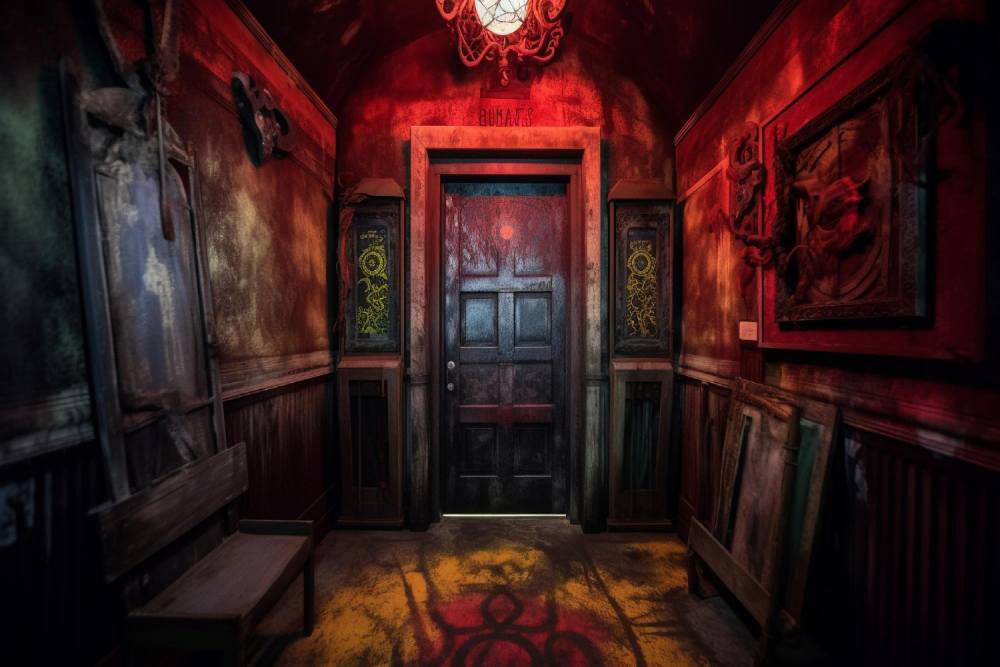
Players step into an environment built to support that story. Lighting, sound, textures, and props shape perception and guide attention. Nothing inside the room exists by accident. A locked drawer, a marked wall, or an unusual sound often connects to the next stage of progress. Understanding how escape rooms function requires recognizing that the room itself functions as a storytelling tool, not just a container for puzzles.
How Teams Interact With the Space
Once the experience begins, teams explore the room freely. Players search for clues, identify interactive elements, and test assumptions. Progress depends on observation and interpretation rather than physical strength or prior knowledge. Objects may conceal hidden compartments, symbols may reference patterns elsewhere, and audio cues may signal a shift in focus.
Team communication shapes success at this stage. When players share findings aloud, connections form faster. One person might notice a visual detail while another recalls a previous clue that matches it. Escape rooms reward groups that think collectively rather than individually. This interaction explains why escape rooms serve as popular group activities for families, friends, and corporate teams.
The Role of Puzzles in Escape Rooms
Puzzles act as gateways that unlock new areas, information, or tools. These challenges vary in style to engage different thinking approaches. Some puzzles rely on logic or pattern recognition. Others focus on physical manipulation, wordplay, or spatial reasoning. Well-designed rooms balance puzzle types to keep momentum steady and interest high.
Puzzles rarely stand alone. Solving one often reveals a piece needed later. This layered structure prevents linear thinking and pushes teams to track progress mentally or verbally. The most effective rooms create moments where earlier discoveries suddenly make sense, reinforcing the value of collaboration.
Time Pressure and Decision-Making
Most escape rooms operate within a fixed time frame, often sixty minutes. The countdown adds urgency without introducing risk. Time pressure changes how teams prioritize tasks, communicate, and manage stress. Groups learn to divide attention, assign roles organically, and make quick decisions based on limited information.
This time pressure is central to the team-based nature of escape room experiences. Participants experience real-time problem-solving under constraint, a dynamic that mirrors many workplace and social situations. The shared goal and ticking clock strengthen engagement and focus throughout the experience.
The Game Guide and Player Support
A trained host monitors each session from outside the room. This role exists to support flow, safety, and enjoyment. The guide introduces the scenario, explains basic rules, and remains available for assistance during play. If a team stalls, the guide may offer subtle hints that steer progress without removing the challenge.
This balance between autonomy and guidance keeps the experience accessible to new players while still engaging experienced groups. The presence of a game guide allows rooms to challenge players without creating frustration or confusion.
How Themes Shape the Experience
Themes influence both puzzle design and emotional tone. A mystery-driven room emphasizes investigation and deduction. A suspense-focused environment relies on atmosphere and pacing. Adventure themes encourage exploration and discovery across multiple areas.
At Will To Escape, themes differ between locations, with curated experiences available through Jupiter escape rooms and Orlando escape games. Each room uses its theme to guide puzzle logic, visual design, and player interaction, creating distinct experiences while maintaining a consistent level of immersion.
Progression Through Multiple Spaces
Many escape rooms extend beyond a single enclosed area. As teams solve puzzles, new rooms or sections open, revealing additional challenges. This progression keeps energy high and reinforces the sense of advancement.
Multiple spaces also allow designers to vary puzzle intensity and pacing. Early areas introduce mechanics, while later sections increase complexity. This structure supports learning within the experience and helps groups build confidence as they move forward.
Why Escape Rooms Work for Group Bonding
Escape rooms succeed as group activities because they require shared effort. No single participant can solve every puzzle alone. Success depends on listening, observation, and trust. Teams celebrate small victories together, which builds momentum and morale.
For larger groups, private experiences allow participants to focus fully on their team without outside distractions. At Will To Escape, private bookings support corporate events, celebrations, and group outings, with capacity for up to sixty players per hour in Orlando and thirty-two in Jupiter. This scalability allows teams to share a common experience while maintaining the integrity of each room.
The Psychology Behind Puzzle Solving
Escape rooms engage curiosity and reward persistence. The human brain seeks patterns and resolution, and each solved puzzle releases a sense of achievement. This feedback loop keeps players invested throughout the session.
The environment also limits external distractions. Phones remain unused, and attention stays within the room. This focus strengthens immersion and deepens engagement with the story and team members.
Safety and Accessibility Inside Escape Rooms
Modern escape rooms prioritize player comfort and safety. Participants are never physically locked inside. Exits remain accessible, and staff monitor sessions continuously. Clear instructions at the start set expectations and allow players to relax and focus on the experience.
Designers also account for varied experience levels. Hints, balanced difficulty, and intuitive interactions help new players participate fully without prior exposure to escape games.
Experience Escape Rooms With Will To Escape
At Will To Escape, every room reflects thoughtful design, narrative clarity, and private group play. Our Jupiter and Orlando locations welcome families, friends, and corporate teams seeking immersive challenges built around collaboration. Each experience aligns with the principles explored above, from puzzle flow to group dynamics.
Ready to plan your next escape room experience? Contact us to start your adventure.