

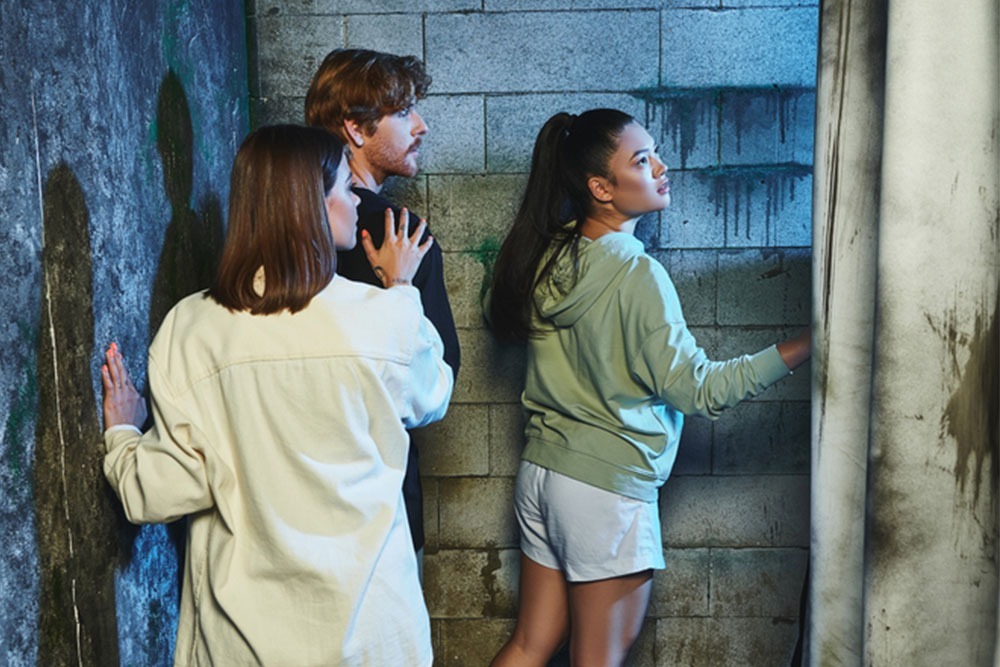
Escape rooms place you inside a puzzle-filled environment where every clue carries meaning. Group size plays a major role in how well teams communicate and solve each challenge. The question “how many people can do an escape room” does not have a single answer, but the range depends on space, puzzle style, and team dynamics. Understanding these elements helps players pick the right group size and enjoy a smoother and more engaging adventure.
Why Group Size Matters in Escape Rooms
Escape rooms rely on teamwork. Each player brings a different way of thinking, and each puzzle rewards clear communication. Too many people can create confusion, while too few can slow progress. The right group size helps players move with purpose and stay organized during the game.
Most rooms across the industry welcome small and medium groups. A common range is two to eight players. This range fits most puzzle designs and keeps the pace steady. It gives every person a fair chance to contribute and stay involved without feeling crowded.
How Room Layout Shapes Capacity
Room size often decides how many people can do an escape room at one time. Smaller rooms feel more interactive with fewer players. Larger themed spaces support bigger groups because they have more areas to explore. Narrow hallways, compact sets, or multi-stage puzzle zones also influence capacity.
Some rooms include crawling spaces or tight puzzle corners. These design choices make a smaller group more comfortable. Larger, open rooms that spread puzzles across the space support more players without slowing movement.
Players near Jupiter can explore different layouts inside the Jupiter escape rooms and choose a space that matches their group style.
Puzzle Complexity and Player Count
Puzzle style also affects group size. Some puzzles work better with extra hands. Others become confusing when too many people try to solve them at once. Pattern puzzles, locks, and logic grids may need steady focus. Search-based puzzles benefit from having more eyes.
Escape rooms balance puzzle difficulty around an average team size. Four to six players often create the ideal rhythm. This range offers enough variety in skill and keeps communication clear. Larger groups can finish search tasks faster, but they may struggle to manage noise and overlapping ideas.
How Team Dynamics Influence the Experience
Group chemistry changes how the game feels. Friends who know each other well communicate faster. Families may work better in small numbers. Co-workers may prefer medium groups to spread tasks and match different strengths.
Smaller groups offer more puzzle time for each person. Medium groups allow better task division. Larger groups create high-energy play but need structure to avoid confusion. The best group size depends on how your team enjoys solving problems and sharing ideas.
Industry Norms for Maximum Capacity
Most escape rooms set clear limits for safety and comfort. A typical upper limit ranges from six to eight players. This limit helps staff monitor the room and helps players stay active without feeling crowded.
Rooms with larger sets may allow more players. Rooms with compact designs may welcome fewer. Limits protect the experience by keeping movement smooth and keeping the story easy to follow. These limits also help each player feel involved from start to finish.
When Larger Groups May Work Well
Some teams enjoy escape rooms with bigger groups. Larger groups work well in open floor plans, fast-paced themes, or multi-part storylines. Extra players can split tasks and search wider areas at the same time. This helps teams complete early puzzles faster and reach advanced stages sooner.
Larger groups also work well during events or celebrations. Friends may enjoy the shared excitement, even if every person does not solve each puzzle directly. The social energy often becomes part of the fun.
Matching Group Size With Experience Level
Beginners often enjoy medium-sized groups because they gain support from extra teammates. First-time players may overlook clues or add pressure to themselves. Medium groups help balance the workload.
Experienced players often prefer small groups. More experienced teams understand puzzle flow and communicate with speed. They enjoy direct puzzle involvement and fewer distractions.
Large groups fit celebrations and team-building events where fun outweighs intense puzzle focus.
Choosing Rooms That Match Your Team’s Needs
Every escape room carries a different atmosphere. Horror themes may feel more comfortable with larger groups. Detective themes may feel sharper with small teams that enjoy deep thinking. Adventure themes often fit the middle range.
If you enjoy bright lights and fast movement, pick a room that supports more movement. If you enjoy slow, investigative play, pick a room with detailed puzzles that fit smaller groups.
Visitors near Orlando can explore various room styles in the exciting Orlando escape games and match group size to theme.
Experience Your Best Group Adventure at Will To Escape
At Will To Escape, each room supports smooth teamwork and clear puzzle flow for groups of many sizes. Our themes match different skill levels and play styles, so your team can enjoy a strong and engaging experience.
If you want a memorable escape with friends, family, or co-workers, book your next adventure with Will To Escape and step into a story that rewards teamwork and curiosity.