

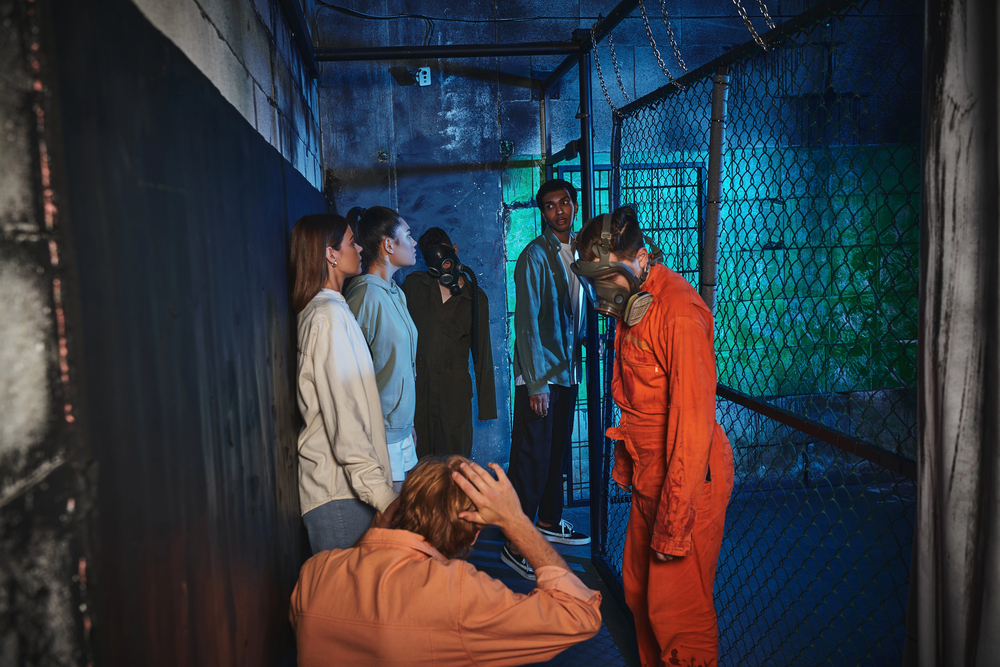
Escape rooms create immersive adventures that challenge participants to think carefully, collaborate with teammates, and uncover hidden clues. Age influences how players experience puzzles and interact with the game’s narrative. Children, teens, and adults can all enjoy these adventures, but the complexity of each room and the intensity of its theme often determine suitability.
Will To Escape offers private, immersive rooms where children, teens, and adults
Age Guidelines for Children and Teens
Escape rooms offer immersive adventures that challenge participants to solve puzzles, follow clues, and collaborate with teammates. Age plays a key role in shaping how children and teens experience these games, influencing the types of challenges they can handle and how much guidance they may require.
- Children Under Seven
Younger children under seven may participate in escape rooms when accompanied by their group. These players can enjoy the sights, sounds, and interactive environment at their own pace while families focus on solving puzzles together. Because escape rooms are shared, interactive experiences that involve movement and teamwork, all guests who are able to walk around and engage in the space are considered participants and require a paid ticket. Parents should consider their child’s attention span, comfort level, and ability to move through the room as well as participation eligibility when deciding if the experience is a good fit.
- Ages Seven to Thirteen
Children aged seven to thirteen benefit from having at least one adult participant aged eighteen or older inside the room. Adult supervision helps guide them through tasks that may require reading, observation, or coordination. Age-appropriate puzzles and interactive props capture their attention while developing reasoning, problem-solving, and observation skills. Games that emphasize teamwork rather than complex codes help children build confidence and stay engaged. Clear communication between adults and children enhances the experience and allows children to contribute meaningfully.
- Teens Aged Thirteen to Seventeen
Teenagers can tackle moderately challenging puzzles and enjoy suspenseful themes that require attention to detail. Their developing cognitive skills allow them to follow multi-step instructions, recognize patterns, and participate in collaborative problem-solving. Escape rooms that combine logic, observation, and analysis create an exciting environment where teens learn to work together under time pressure. Selecting rooms with the right difficulty ensures that teens remain engaged and satisfied without feeling frustrated.
Benefits of Age-Appropriate Challenges
Designing escape room experiences around age allows children and teens to build confidence, strengthen communication skills, and develop critical thinking. Appropriate challenges keep players motivated, encourage cooperation, and provide memorable experiences for families and groups.
Adult Participation and Complexity
Adults aged eighteen and older can navigate rooms with complex puzzles, high-intensity themes, or fear-inducing elements. These participants usually appreciate immersive storylines that require critical thinking, strategic decision-making, and cooperative problem-solving. Puzzles designed for adults often combine narrative elements with interactive challenges that demand teamwork and attention to detail.
Corporate teams, social groups, and hobbyists benefit from adult-level escape rooms because they stimulate communication and strengthen collaboration. Group members learn to divide responsibilities naturally, identify individual strengths, and adapt strategies based on collective problem-solving abilities. Age impacts the overall experience, as adults tend to process complex clues more efficiently while managing time pressure and competing tasks.
Physical and Emotional Considerations
Some escape rooms incorporate physical challenges, movement, or props that require height, strength, or dexterity. Younger children may struggle with locks, intricate mechanisms, or tasks demanding coordination. Conversely, older participants or those with mobility limitations can find some rooms physically demanding. Adaptations such as accessible puzzles, seating options, or hybrid experiences allow participants of all ages to remain engaged while reducing strain.
Emotional readiness also plays a role. Themes with suspense, mystery, or simulated danger may unsettle children under ten. Teenagers and adults usually tolerate mild scares and unexpected twists better, which adds intensity to the immersive experience. Group leaders should assess both the physical and emotional demands of rooms before booking, selecting spaces that align with the participants’ comfort levels.
Corporate and Group Escape Room Age Dynamics
Escape rooms designed for team-building often mix participants of varying ages. Younger employees may bring curiosity and fresh perspectives, while older participants contribute experience and strategic thinking. Age-diverse groups learn to communicate effectively under time pressure, balancing skill levels across team members.
Facilitators can select rooms with adjustable difficulty or puzzle hints to match the combined abilities of the team. This approach allows everyone to contribute meaningfully, promotes engagement, and strengthens interpersonal relationships. Age-inclusive escape room experiences cultivate collaboration, encourage problem-solving, and offer participants the satisfaction of achieving shared goals.
How Will To Escape Helps Groups of All Ages
At Will To Escape, our rooms in Jupiter and Orlando welcome players of varying ages. Families, teens, and adults can enjoy immersive adventures tailored to their skill levels. Our staff can guide groups in selecting experiences suited for children, teens, or corporate teams. Booking a session ensures a memorable adventure where every participant engages safely while uncovering puzzles, navigating immersive environments, and collaborating with friends or colleagues.
Ready to Book Your Adventure?
Will To Escape offers private, immersive rooms where children, teens, and adults can enjoy puzzles together. Call today or visit our Jupiter and Orlando locations to select the perfect escape room for your group.